
gnx
ผู้เยี่ยมชม
benducket3211@gmail.com
Elevating Your Space: The Art of Designing a Kitchen Island for Kitchen Harmony (33 อ่าน)
27 ต.ค. 2568 15:48
A kitchen island for kitchen design has become one of the most sought-after elements in modern home interiors. No longer just an accessory, the kitchen island serves as the centerpiece that merges practicality with beauty. It acts as a bridge between culinary creativity and social connection, redefining how people cook, eat, and interact within their homes. From sleek contemporary setups to rustic farmhouse aesthetics, the kitchen island seamlessly adapts to different styles, adding character and functionality to every space.
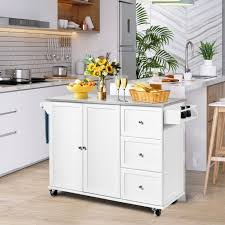
The concept of the kitchen island has evolved beyond a simple countertop extension. Today’s homeowners view it as a multifunctional workstation, dining spot, and decorative feature all in one. It provides additional surface area for meal preparation while serving as a casual gathering place for family and friends. In open-concept homes, the island also plays a strategic role in separating the cooking area from the living or dining zones, maintaining flow while defining boundaries.
Planning the Perfect Kitchen Island for Kitchen Efficiency
When designing a kitchen island, the goal is to achieve balance between aesthetics and practicality. The first step is to evaluate the available space. The island should be proportionate to the kitchen’s size, ensuring easy movement and accessibility. For smaller kitchens, compact islands or movable carts can provide versatility without overcrowding the area, while larger kitchens can accommodate more elaborate installations with seating and built-in appliances.
The choice of materials greatly influences both appearance and functionality. Granite and quartz countertops remain top choices for their durability and sophisticated finish, while marble introduces elegance and timeless appeal. For a warmer, natural look, butcher block or reclaimed wood surfaces add rustic charm and texture. Stainless steel, on the other hand, fits seamlessly into modern or industrial kitchen designs due to its sleek surface and hygienic properties.
Customization has become a defining feature of the modern kitchen island. Many homeowners now include integrated sinks, induction cooktops, dishwashers, and even wine refrigerators. Storage solutions, such as pull-out drawers and concealed cabinets, help reduce clutter and maintain a clean look. The right lighting above the island—whether pendant lights or recessed fixtures—enhances both functionality and ambiance, turning the island into the focal point of the kitchen.
Enhancing Workflow and Comfort Through Smart Design
A thoughtfully planned kitchen island for kitchen workflow can dramatically improve efficiency. The ideal design aligns with the “kitchen work triangle,” ensuring that the island complements the arrangement of the stove, sink, and refrigerator. This layout minimizes unnecessary movement and enhances cooking convenience.
If the island doubles as a dining or entertaining space, proper dimensions become crucial. Standard countertop heights work best for food preparation, while raised or bar-height sections are perfect for casual seating. Blending these levels creates a multi-functional surface that accommodates different needs, from chopping vegetables to serving cocktails.
Storage remains one of the most valued features of any kitchen island. Deep drawers can hold pots and pans, while shelves and compartments keep small appliances organized. Some homeowners incorporate open shelving for decorative purposes, displaying dishes, cookbooks, or plants to infuse personality into the space. For busy households, including power outlets within the island is a smart move, allowing easy use of blenders, mixers, or laptops.
Exploring Stylish Designs and Modern Trends
The versatility of the kitchen island allows it to adapt to any design theme. In contemporary interiors, minimalism reigns with smooth surfaces, handleless cabinets, and waterfall edges that extend the countertop down the sides for a continuous, elegant flow. This look pairs well with neutral tones like white, gray, or charcoal, often highlighted by metallic accents and soft lighting.
Farmhouse-inspired islands emphasize warmth and authenticity. Natural wood, distressed finishes, and panel detailing evoke a cozy, welcoming atmosphere. A contrasting countertop color can also make the island stand out as a design statement, especially in traditional kitchens. Coastal or bohemian-inspired spaces often favor lighter palettes with marble or quartz tops and woven bar stools, creating a relaxed, airy feel.
For smaller kitchens, mobility and flexibility define modern solutions. Portable or rolling islands provide additional workspace when needed and can be moved aside to free up room. Drop-leaf or foldable designs are also gaining traction among apartment dwellers who seek efficient use of limited space.
Technology integration is another growing trend. Smart kitchen islands can include wireless charging stations, touchless faucets, and even under-counter refrigerators. These innovations not only enhance convenience but also bring a futuristic touch to everyday living.
Achieving Visual Balance and Cohesion
The aesthetic appeal of a kitchen island lies in how well it harmonizes with the rest of the kitchen. While it can serve as a bold centerpiece, it should still complement cabinetry, flooring, and wall finishes. Many designers recommend using the island as an opportunity to introduce contrast—whether through color, texture, or material. A dark island base paired with lighter cabinets creates a striking visual balance, while metallic or brass accents add sophistication.
Lighting plays an equally important role in design cohesion. Pendant lights above the island are both functional and decorative, offering a chance to express personality. Warm-toned bulbs create a welcoming glow, ideal for evening gatherings, while bright white light ensures clarity for meal prep and cooking tasks. The combination of direct task lighting and ambient illumination ensures that the island remains practical and inviting throughout the day.
Conclusion: Transforming Kitchens into Experiences
A kitchen island for kitchen transformation is not just about adding another surface—it’s about redefining how the space functions and feels. The ideal island enhances efficiency, complements design, and fosters togetherness. Whether you envision a sleek modern setup or a cozy farmhouse retreat, the right island will bring both form and purpose to your kitchen.
43.242.176.124
gnx
ผู้เยี่ยมชม
benducket3211@gmail.com