
gnx
ผู้เยี่ยมชม
benducket3211@gmail.com
Textile Chemical Company: Innovating the Future of Fabric Processing and Sustainability (25 อ่าน)
26 ต.ค. 2568 22:31
In the modern textile industry, chemistry plays a transformative role in shaping the performance, feel, and durability of fabrics. Behind every soft cotton shirt, wrinkle-free dress, or water-resistant jacket stands a textile chemical company—a vital partner to manufacturers worldwide. These companies develop and supply the specialized chemicals that make fabrics functional, colorful, and sustainable. As global demand grows for eco-friendly and high-performance materials, the expertise of textile chemical companies has become indispensable in driving innovation and environmental responsibility.
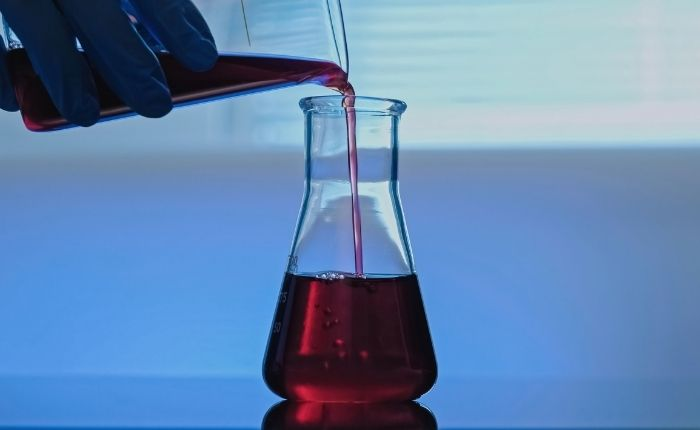
The Role of a Textile Chemical Company in the Global Industry
A textile chemical company is much more than a supplier of dyeing or finishing agents. It serves as a bridge between material science and fashion, creating chemical formulations that enhance fabric performance at every stage of production. From fiber treatment and dyeing to finishing and coating, textile chemicals influence how fabrics look, feel, and function.
The industry encompasses a wide range of products, including pre-treatment agents, bleaching chemicals, softeners, anti-pilling agents, flame retardants, and water-repellent coatings. These formulations ensure textiles meet both aesthetic and functional requirements while adhering to strict environmental and safety standards.
Leading textile chemical manufacturers collaborate closely with textile mills, garment producers, and brands to tailor solutions that optimize efficiency and reduce waste. By balancing innovation with sustainability, they help textile producers meet consumer expectations for comfort, style, and eco-consciousness.
Advancements Driving Modern Textile Chemistry
Innovation lies at the heart of every successful textile chemical company. Modern textile production has evolved from traditional dyeing and finishing methods to sophisticated processes that rely on biotechnology, nanotechnology, and green chemistry.
One of the most significant developments is the rise of bio-based and biodegradable textile chemicals. Derived from renewable sources, these alternatives replace petroleum-based compounds while maintaining performance standards. Similarly, enzymatic processes now allow textile processing with reduced energy and water consumption, marking a shift toward more sustainable manufacturing.
Another innovation area is functional finishing. Companies are formulating advanced chemical treatments that give textiles unique properties such as antimicrobial protection, moisture management, UV resistance, and odor control. These smart finishes cater to diverse sectors—from sportswear and healthcare to automotive and home furnishings—enhancing both comfort and performance.
Digital textile printing has also fueled a surge in demand for specialty textile chemicals, including digital inks, pre-treatment solutions, and fixing agents. These developments allow precise color reproduction, faster turnaround times, and lower resource usage, aligning with the textile industry's push toward customization and eco-efficiency.
Sustainability and Environmental Responsibility
The modern textile chemical company faces growing pressure to minimize its ecological footprint. Traditional textile processing is resource-intensive, often involving large volumes of water, energy, and hazardous chemicals. Today, responsible manufacturers are adopting greener production methods that prioritize sustainability without compromising performance.
Many companies have embraced zero-discharge and closed-loop systems, where wastewater is treated and reused, reducing environmental pollution. Waterless dyeing technologies, low-temperature bleaching, and low-formaldehyde finishing agents are now standard in advanced manufacturing facilities.
International certifications such as OEKO-TEX®, REACH, ZDHC, and Bluesign® guide companies toward safer and more transparent chemical management. Compliance with these standards not only protects the environment but also builds consumer trust. Brands increasingly prefer to partner with sustainable textile chemical companies that can help them meet global sustainability goals and support ethical production practices.
Furthermore, research is expanding into circular textile chemistry, where chemicals and materials are designed for reuse or recycling. This circular approach is redefining how the textile value chain operates, making chemical innovation an integral part of the industry’s transition to a cleaner future.
Applications and Market Growth of Textile Chemicals
The applications of textile chemicals span across nearly every fabric-related sector. The apparel industry remains the largest consumer, demanding chemicals that improve colorfastness, texture, and durability. The home textile sector relies on finishing agents that add wrinkle resistance, softness, and stain repellence. Meanwhile, the technical textiles segment—used in automotive, medical, and industrial products—requires high-performance coatings, flame retardants, and waterproof finishes.
Global market trends indicate steady growth in textile chemical demand, driven by population expansion, fashion diversity, and industrial innovation. Emerging economies in Asia, particularly China and India, have become leading hubs for textile chemical production due to their vast textile manufacturing bases and investment in sustainable technologies.
As fashion cycles accelerate and performance expectations rise, textile chemical companies must continuously innovate to balance cost-effectiveness, quality, and environmental responsibility. The integration of automation and artificial intelligence in chemical formulation is further enhancing precision, efficiency, and scalability across production lines.
Choosing a Reliable Textile Chemical Company
Partnering with a trusted textile chemical company is crucial for manufacturers aiming to deliver consistent quality and meet international standards. The right partner provides not only high-quality products but also technical expertise and application support.
A reliable supplier offers customized solutions that align with a client’s production requirements, fabric types, and sustainability goals. They invest heavily in R&D, ensuring their chemical formulations keep pace with evolving textile technologies and global regulatory frameworks.
Moreover, companies with a strong focus on innovation and compliance can help clients enhance productivity while minimizing environmental impact. This partnership fosters long-term value creation by improving product performance, reducing resource consumption, and supporting brand integrity.
The Future of Textile Chemical Companies
The future of textile chemistry is defined by the convergence of science, technology, and sustainability. As the global textile industry embraces digital transformation and environmental accountability, textile chemical companies will remain central to progress.
Expect rapid growth in eco-friendly auxiliaries, non-toxic dyes, and smart coatings that interact with the environment or human body. The use of biotechnology and renewable raw materials will further accelerate the transition toward green manufacturing. Meanwhile, digitalization will enable real-time monitoring and optimization of chemical usage, ensuring precise application and reduced waste.
Companies that prioritize transparency, traceability, and sustainability will gain a competitive advantage in the years to come. By aligning innovation with global sustainability frameworks, they will shape a more responsible and resilient textile ecosystem.
Conclusion
A textile chemical company is a cornerstone of the modern textile value chain, powering advancements that define the color, quality, and sustainability of fabrics. Through research-driven innovation, environmental stewardship, and technological excellence, these companies help the global textile industry evolve toward a smarter and greener future.
43.242.176.124
gnx
ผู้เยี่ยมชม
benducket3211@gmail.com